

Products to compare
One dishwasher family, two distinct exact variants
GDF535PSRSS and GDF535PGRWW share a GE dishwasher family and core form, but their full model numbers identify separate finishes. The links are uncommissioned. Keep them in separate offer rows until the required finish, complete model, installed scope, seller, and total are explicit.
Treat the two models as acceptable variants only when either finish works and both exact specifications fit the project. Then compare complete installed offers. If the finish or any other model-specific field matters, the lower-priced variant is not an exact-match bargain.
These links lead to product listings or manufacturer buying options. PriceChomp earns no commission from them. How our links work.
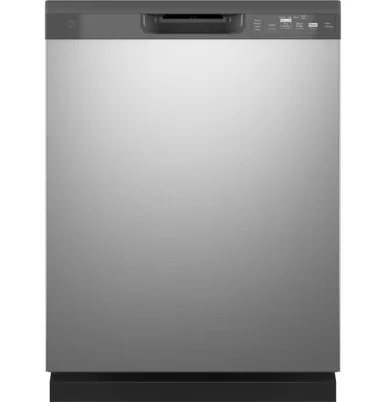
The stainless-finish variant
GE GDF535PSRSS dishwasher
Built-in dishwasher with front controls and stainless-steel exterior; nominal 24-inch installation class.
- Why choose it
- The full GDF535PSRSS code gives the stainless model an exact identity for the quote, product record, carton, and delivery check.
- The tradeoff
- A shared family stem does not prove that a shortened listing, different seller offer, installation scope, or remedy matches the white model.
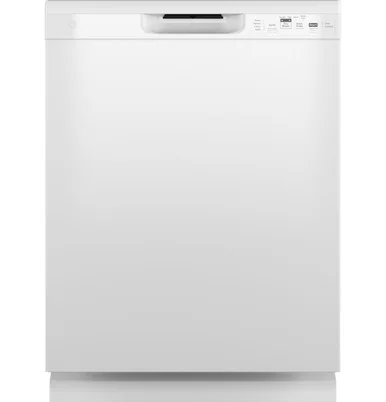
The white-finish variant
GE GDF535PGRWW dishwasher
Built-in dishwasher with front controls and white exterior; listed width 23.75 inches for a 24-inch cutout.
- Why choose it
- The full GDF535PGRWW code keeps the white configuration separate while the shopper compares the same fit, work scope, and complete-cost fields.
- The tradeoff
- A lower price matters only when white is acceptable and the exact offer includes the same required product, services, parts, and remedy path.
Product details checked against the linked manufacturer and retailer pages. These are research-based comparisons, not hands-on tests. Check the selected model, current price, availability, and return terms before buying.
Write the comparison claim before collecting prices
Decide whether you are trying to find the lowest price for one exact product, choose among variants in one family, or compare substitutes that solve the same job. Those are different questions. An exact-product comparison can rank offers by complete cost and terms. A variant comparison must value the changed feature. A substitute comparison must start with the required outcome.
Create one row for every offer and do not merge rows because the titles look similar. Record the page address, seller, observation time, and the identity fields you can verify. The table should make a mismatch visible before a low advertised number earns attention.
| Field | What to record | Why it can change the decision |
|---|---|---|
| Identity | Brand, full model, part number, GTIN or UPC when supplied | Separates exact products from nearby variants |
| Configuration | Size, color, capacity, pack count, region, and included items | Exposes bundles and incomplete offers |
| Commercial terms | Seller, condition, fulfillment, total, return path, and warranty | Shows the complete offer rather than the headline price |
| Evidence | URL, timestamp, screenshots or saved terms, and unresolved fields | Preserves what was actually compared |
Start with manufacturer identity, then confirm the selling unit
Use the manufacturer name and complete model or part number as the first anchor. Add a GTIN, UPC, retailer item number, or manufacturer SKU when the listing supplies it, but do not let one identifier replace the rest of the record. The selling unit can change with color, size, capacity, region, pack count, or a physical bundle.
GS1 specifications distinguish individual trade items, package levels, and several kinds of assortments and bundles. That is why a barcode match is useful evidence but a shortened family name is not enough. Match the identifier to the exact consumer unit being offered, not merely to one component pictured on the page.
Separate the product family from the exact variant
Manufacturers often reuse a model stem across finishes or configurations. GE GDF535PSRSS and GDF535PGRWW are a practical example: the full codes identify separate dishwasher variants in one family. A retailer title that shortens both to GDF535P can hide the finish difference and any offer-specific detail tied to the complete code.
Compare variants only after deciding whether the changed field matters. If either finish works, place the exact codes in separate rows and assign the finish difference a value of zero for your decision. If only one finish works, the other listing is not a cheaper exact match even when the rest of the specifications appear similar.
Unpack kits, bundles, and pack counts
List every included item and quantity. A tool with a battery and charger is not the same selling unit as a bare tool. A two-pack is not one unit at half the displayed price until the quantity and identical contents are confirmed. A retailer-added accessory bundle is not automatically the manufacturer kit even when both use the same main product photograph.
Value only components you need and would otherwise buy. Record the exact accessory model, capacity, size, and warranty when it contributes to the comparison. Give unwanted extras a value of zero instead of letting a large bundle count create an artificial saving.
Keep condition, seller, and offer ownership visible
New, open-box, refurbished, renewed, and used offers carry different uncertainty and remedy paths. Record who describes the condition, who owns the listing, who fulfills the order, and who accepts a return. A marketplace page can contain several sellers under one product title, so the page identity does not establish one commercial offer.
Do not compare a used unit with copy-specific wear or missing equipment to a sealed new unit as if condition were a rounding error. Price the missing parts and testing burden, then decide whether the adjusted saving compensates for the remaining uncertainty.
Normalize the complete checkout and fulfillment plan
The FTC advises comparison shoppers to record the model details and total cost, including shipping, handling, delivery, taxes, and other fees. Add required accessories, memberships, installation, haul-away, return shipping, and realistic travel for store pickup when they belong to the chosen offer.
Keep shipping, local delivery, and store pickup as separate fulfillment paths. A pickup offer is useful only when the selected location has the exact item reserved under workable pickup terms. A shipped offer is useful only when its delivery timing, package risk, and remedy process fit the need. Do not treat a location badge as proof of completed reservation or inventory.
Compare remedies before breaking a price tie
Record the current return deadline, condition requirements, restocking charge, return-shipping responsibility, store-return option, warranty provider, and required contact method. The FTC recommends reviewing delivery, return, and refund policies and keeping purchase records. Apply that discipline before purchase, while the offers can still be compared.
A slightly higher complete price can be rational when it buys a materially better remedy for a difficult-to-test or expensive item. State the premium and the specific protection it buys. Do not call one policy better without naming the deadline, cost, location, or responsibility that differs.
Classify the result instead of forcing a ranking
Mark each pair as exact match, variant, bundle difference, condition difference, seller difference, fulfillment difference, substitute, or unresolved. Rank only rows that answer the same buying question. An unresolved identity field is not permission to assume a match; it is a reason to inspect the manufacturer record or ask the seller for the complete code.
For exact matches, compare complete cost and terms. For variants, show the price difference beside the changed feature. For substitutes, compare the job requirements first and cost second. This keeps a lower number from winning by silently removing capacity, accessories, service, or a required feature.
Save the winning offer as an evidence packet
Before checkout, save the exact product identity, configuration, seller, condition, included items, total, fulfillment promise, and policies that support the decision. Keep the order confirmation and later delivery evidence with that record. A live page can change after purchase, and the saved decision should still show what was promised.
If the delivered item, carton, invoice, or seller differs from the saved row, stop and resolve the mismatch before installation, activation, or disposal of packaging. The comparison is complete only when the received selling unit matches the selected offer and the planned acceptance test can begin.