

Products to compare
A model-number check before believing the saving
These two DEWALT listings illustrate a common comparison trap: a bare drill and a kit can show very different discount percentages while containing the same drill.
Compare each exact model against other offers for that model first. Then compare the kit premium with the batteries and charger you need. Neither listing's discount badge proves a deal.
These links lead to product listings or manufacturer buying options. PriceChomp earns no commission from them. How our links work.
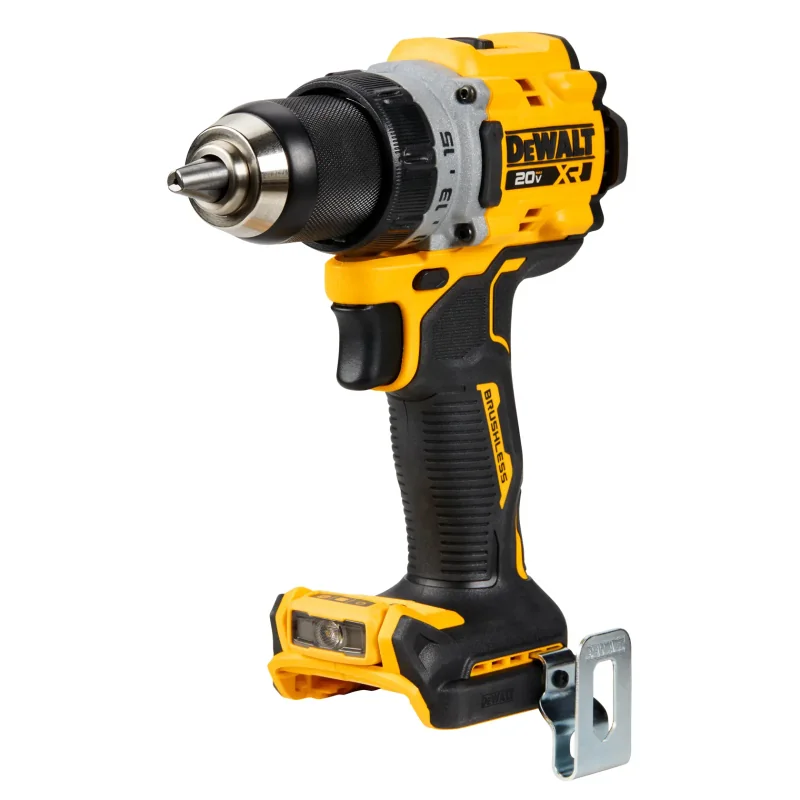
The bare-tool price reference
DEWALT DCD800B drill/driver, tool only
Brushless DCD800 drill/driver with a 1/2-inch chuck and belt hook. Battery and charger sold separately.
- Why choose it
- Record the DCD800B delivered price and compare it with another DCD800B offer under the same condition and seller terms.
- The tradeoff
- A lower price than the DCD800D2 kit is not evidence of a bigger discount; the kit contains additional equipment.
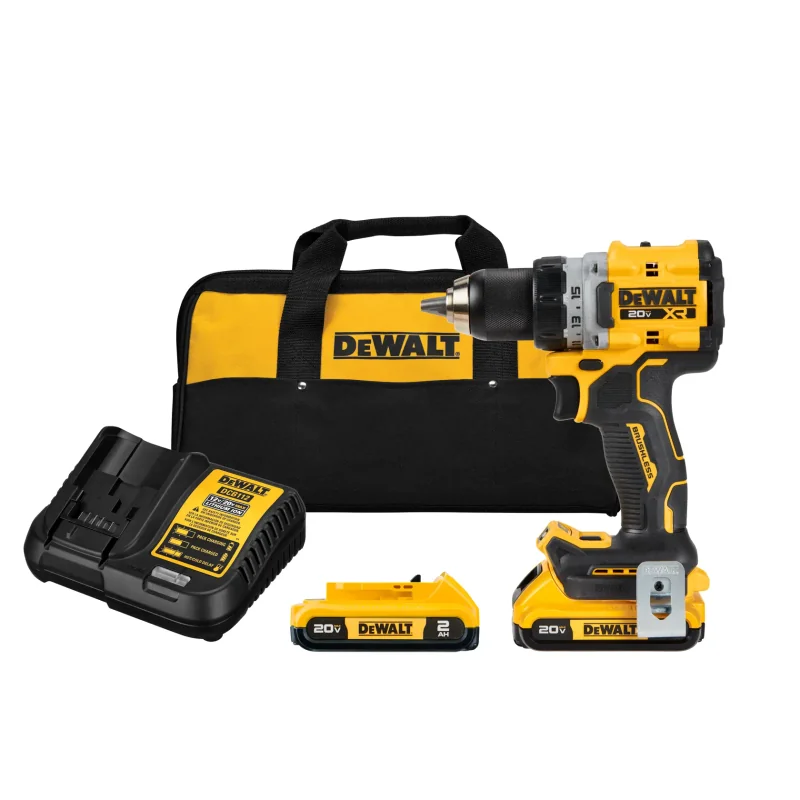
The complete-kit price reference
DEWALT DCD800D2 drill/driver kit
DCD800 drill, two 20V MAX 2Ah batteries, charger, and storage bag.
- Why choose it
- Record the DCD800D2 total with its two 2Ah batteries and charger, then value those components against your actual needs.
- The tradeoff
- Do not compare its claimed savings with a bare-tool reference price or count unwanted batteries at full retail value.
Product details checked against the linked manufacturer and retailer pages. These are research-based comparisons, not hands-on tests. Check the selected model, current price, availability, and return terms before buying.
Start with the exact product, not the percentage
A large discount badge is only a claim about two numbers. It does not tell you whether the reference price was common, whether another retailer sells the same product for less, or whether the item is an older or retailer-specific model. Begin with the brand, exact model number, capacity, size, color, included accessories, and condition.
Small naming differences can hide meaningful changes. A tool kit may include a smaller battery, an appliance may be a different finish, and a television may share a family name while using a different panel. If the identity is uncertain, treat the comparison as uncertain too.
- Match model or part number.
- Match quantity and included accessories.
- Separate new, open-box, refurbished, and used condition.
- Confirm that the seller is the retailer or an identified marketplace seller.
Test the reference price
Look for the same exact item at the manufacturer and at more than one established retailer. A useful reference price is one that appears in current market evidence, not merely a crossed-out number on one page. Search results can be stale, so open the product page and confirm the live price.
Also check price history when a reliable history is available. The goal is not to prove that the item once touched the reference price. The goal is to understand what shoppers have recently been expected to pay. Frequent promotions can make the normal transaction price much lower than MSRP.
Calculate the delivered cost
A deal should survive checkout math. Add shipping, mandatory memberships, required accessories, recycling fees, taxes where relevant, and the cost of reaching a store. Subtract only discounts you can actually use without assuming a future rebate will arrive.
Return terms matter too. Final-sale clearance can be reasonable for a known product, but it deserves a larger margin of safety than an item with an ordinary return window. The cheapest sticker price is not always the lowest-risk purchase.
Use a simple decision rule
Write down the best current comparable price, your delivered cost, and the reason you need the item. Buy when the exact product fits the need and the savings are meaningful against a credible alternative. Wait when the product identity is vague, the reference price is isolated, or the promotion creates urgency without evidence.
PriceChomp treats a markdown as a research lead, not a verdict. Retail prices and stock can change quickly, so verify every offer with the retailer before purchasing.
Run the same-item test before calling it a bargain
Imagine a retailer shows a compact air compressor at 55 percent off. A useful check does not begin with whether 55 percent sounds large. It begins by copying the complete model number and identifying the tank size, maximum pressure, airflow rating at the stated pressure, included hose or fittings, warranty, and seller. A similar-looking compressor with a smaller tank or different duty cycle is not the same comparison.
Next, record the live delivered price from the offer and two credible alternatives. If the exact model is unavailable elsewhere, compare the least expensive current product that meets the same work requirement. Note every uncertainty instead of quietly assuming equivalence. The result may be a strong deal, an ordinary street price, or an offer that cannot be judged confidently from the available evidence.