

Products to compare
Inspect a prime and a stabilized zoom differently
These used-lens listings let you apply the condition checklist to two designs. Neither model name establishes the condition of an individual copy.
Select a lens for the photographs first. Then compare individual copies, rejecting unexplained optical or functional faults rather than accepting them for a lower cosmetic grade.
These links lead to product listings or manufacturer buying options. PriceChomp earns no commission from them. How our links work.
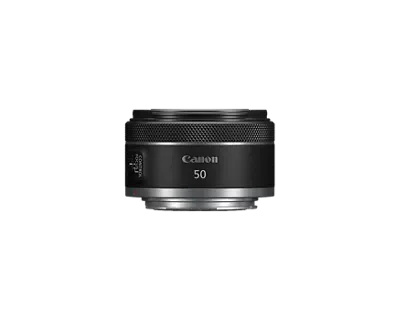
A fixed-lens inspection example
Used Canon RF 50mm f/1.8 STM
RF-mount 50mm prime. MPB lists the condition and accessories for each used copy.
- Why choose it
- Check glass, mount wear, focus operation, and the included caps for the specific RF 50mm copy.
- The tradeoff
- A clean barrel does not rule out haze or uneven sharpness. Plan sample photographs and focus checks while a return remains possible.
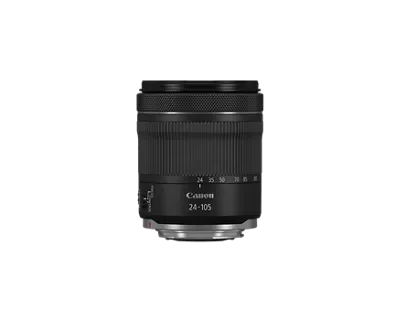
A zoom-and-stabilization inspection example
Used Canon RF 24-105mm f/4-7.1 IS STM
RF-mount full-frame standard zoom with optical stabilization and a variable maximum aperture.
- Why choose it
- Add checks through the zoom range and for stabilization behavior to the basic glass and autofocus inspection.
- The tradeoff
- A zoom adds moving functions to test. Do not assume a condition grade certifies every focal length or stabilization mode.
Product details checked against the linked manufacturer and retailer pages. These are research-based comparisons, not hands-on tests. Check the selected model, current price, availability, and return terms before buying.
Split condition into four different inspections
Exterior wear, optical condition, mechanical operation, and electronic operation tell different stories. A rubbed barrel can be fully dependable, while clean cosmetics can hide internal haze, a sticky aperture, a rough zoom mechanism, or unreliable focus. One overall grade should never replace the detailed notes.
Ask which marks are visible in ordinary light and which require a strong flashlight. A bright light can make normal internal dust look dramatic. The useful question is whether the seller found fungus, haze, separation, coating damage, scratches, moisture, oil, or impact evidence and how those findings affect images.
- Exterior: dents, filter threads, mount wear, switches and seals.
- Optics: front and rear elements, internal dust, haze, fungus and separation.
- Mechanics: focus, zoom, aperture, tripod collar and extending barrels.
- Electronics: autofocus, stabilization, contacts, displays and firmware behavior.
Know which optical words deserve a pause
Internal dust is common and often invisible in normal photographs. Haze can lower contrast and create glow. Fungus can spread across elements and may etch coatings. Separation can look like a rainbow edge between cemented elements. Scratches on the rear element can be more consequential than similar marks on the front.
None of these words produces the same result in every lens. Severity and location matter, and a sample photograph may not reveal every lighting condition. When a listing uses “does not affect image quality,” I still want the actual defect named and photographed.
Look for decentering and inconsistent focus
A decentered lens can make one side or corner softer than the other. Autofocus problems may appear only at certain distances, focal lengths, or directions of focus. Zoom lenses should be checked at several focal lengths, and fast lenses at wide and moderate apertures.
A careful retailer may test these functions, but read what the test covers. When you receive the lens, photograph a detailed flat subject square-on, then repeat with a distant scene. Compare corners at ordinary output sizes before pixel-level inspection sends you chasing differences that will never matter in use.
| Listing note | Ask next |
|---|---|
| Internal dust | How much, where, and visible in sample images? |
| Light haze | Which elements and how was contrast tested? |
| Focus is working | Single and continuous focus at which distances? |
| Cosmetic wear | Any dent, impact, loose mount, or damaged thread? |
| No image impact | Can the actual defect and sample files be shown? |
Calculate the complete lens, not the bare barrel
Front and rear caps, hood, tripod foot, case, filter drawer, collar, and special adapters can be costly or difficult to replace. Confirm that detachable parts pictured are included. Check whether the serial number, mount, and condition notes on the invoice will match the item you receive.
I compare the delivered price with a cleaner example and with a supported repair estimate when repair is plausible. Then I include the return window and warranty. A large discount can be fair for a disclosed flaw, but only when I understand the flaw, can live with its effect, and retain a reasonable way to test the lens.