

Products to compare
Read the comfort column behind the product name
The Trailmade 25 and Magma 30 demonstrate why the number in a sleeping bag's name is not its ISO comfort rating. Match size before comparing weight.
Use the published comfort ratings as starting points, then allow for your own cold tolerance, expected lows, and sleeping pad. Choose Trailmade for a synthetic setup or Magma when the lighter packed load justifies its cost.
These links lead to product listings or manufacturer buying options. PriceChomp earns no commission from them. How our links work.
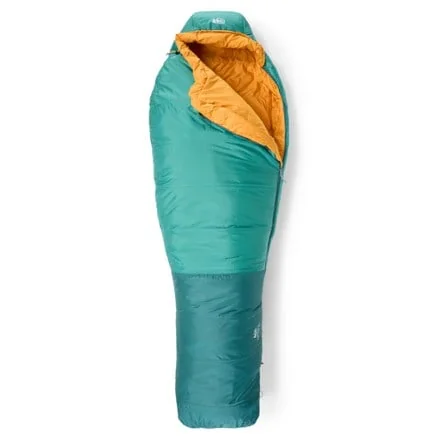
For a synthetic sleep setup
REI Co-op Trailmade 25 sleeping bag
Synthetic fill; listed ISO comfort 31°F and lower limit 20°F. REI item C03116, with several lengths and widths.
- Why choose it
- The listed 31°F comfort figure is more useful for planning than treating the 25 name as a comfort guarantee.
- The tradeoff
- Its 20°F lower limit is not a comfortable-night promise. Fit, pad insulation, moisture, and conditions still matter.
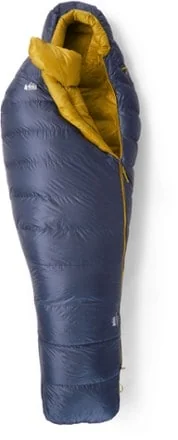
When carrying weight matters
REI Co-op Magma 30 sleeping bag
850-fill-power down; listed ISO comfort 34°F and lower limit 24°F. REI item 228707, with several lengths and widths.
- Why choose it
- The listed 34°F comfort rating lets you compare warmth on the same basis; its down construction offers a lighter option.
- The tradeoff
- The 30 name is not the comfort figure. Keep down dry and do not trade away the warmth margin you need to save weight.
Product details checked against the linked manufacturer and retailer pages. These are research-based comparisons, not hands-on tests. Check the selected model, current price, availability, and return terms before buying.
Find the actual test rating
Look for an ISO or EN rating and identify whether the number is comfort or lower limit. Comfort is the more conservative reference for a person who sleeps colder, while lower limit is intended around a warmer sleeper. A marketing name that includes “20” may not equal either exact laboratory result.
Standardized ratings improve comparison between tested bags, but they do not guarantee how you will feel. Metabolism, fatigue, food, hydration, clothing, wind, humidity, altitude, tent ventilation, and the way insulation is distributed all change the night.
Pair the bag with an insulated pad
A sleeping bag’s insulation compresses beneath you, so the pad becomes a major part of warmth from the ground. Compare pad R-values and use the manufacturer’s guidance for the expected conditions. Stacking compatible pads can add insulation, but check stability and how the valves and surfaces behave together.
This is where bargain shopping can go wrong. A warmer bag on an under-insulated pad may not solve the cold-ground problem. I compare the cost and weight of the complete sleeping system, including pad, bag, liner if useful, and appropriate clothing.
| Input | What to write down |
|---|---|
| Weather | Forecast low plus a reasonable margin |
| Sleeper | Runs warm, neutral, or cold |
| Bag | ISO or EN comfort and limit values |
| Pad | R-value and condition |
| Shelter and clothing | Drafts, humidity, base layers and dry sleep socks |
Choose fit before chasing ounces
A bag that is too tight can compress insulation and restrict movement. A very roomy bag may require more energy to warm. Compare shoulder, hip, and foot dimensions, not only length. Side sleepers and people who bend a knee may need a different shape than a straight mummy profile.
Try the hood, zipper, draft collar, footbox, and drawcords with the clothing you expect to wear. Check whether the zipper can be operated from inside without snagging and whether two bags truly mate if that feature matters. Comfort features only earn their weight when you can use them half-awake.
Price insulation around real conditions
Down can offer excellent warmth for its weight and packed size, while synthetic insulation can retain more useful warmth when damp and may cost less. Fill power describes the loft quality of down, not the total amount of insulation in the bag. Construction and fill weight also matter.
Check care instructions, drying time, compressed storage needs, repair options, and responsible-material certifications that matter to you. Then choose for the coldest common trip, not a rare expedition that would be better served by specialized gear. A bag you can vent is useful; a bag that starts the night below your comfort need is hard to negotiate with.