

Products to compare
Compare the older saw against the job, not its age
The DCS570B and newer DCS590B are both 20V MAX 7-1/4-inch circular saws. That shared description is a starting point, not proof that every specification matches.
Choose the DCS570B only if it meets your cut requirements and saves enough under comparable seller terms. Pay for the DCS590B when its specific capacity or features improve the work you actually do.
These links lead to product listings or manufacturer buying options. PriceChomp earns no commission from them. How our links work.
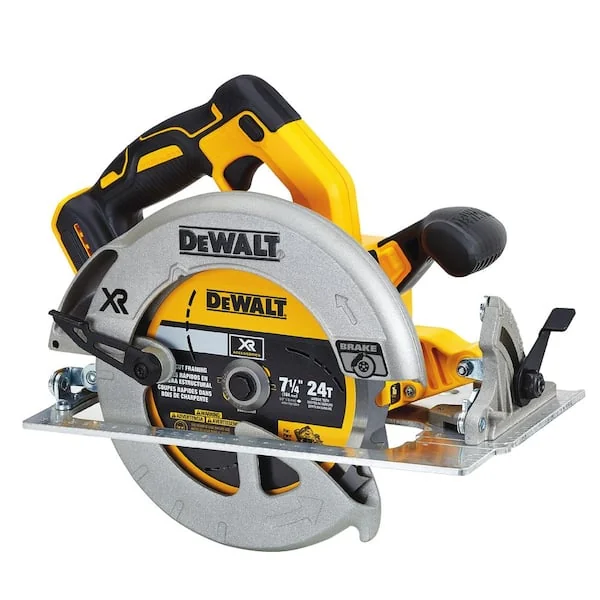
An older model worth pricing
DEWALT DCS570B circular saw, tool only
20V MAX brushless saw with a 7-1/4-inch blade. Battery and charger separate.
- Why choose it
- An existing battery platform can make this a useful benchmark against the newer saw's delivered price.
- The tradeoff
- Check the exact listing's condition, supplied items, replacement parts, and support. Age alone does not guarantee a bargain.
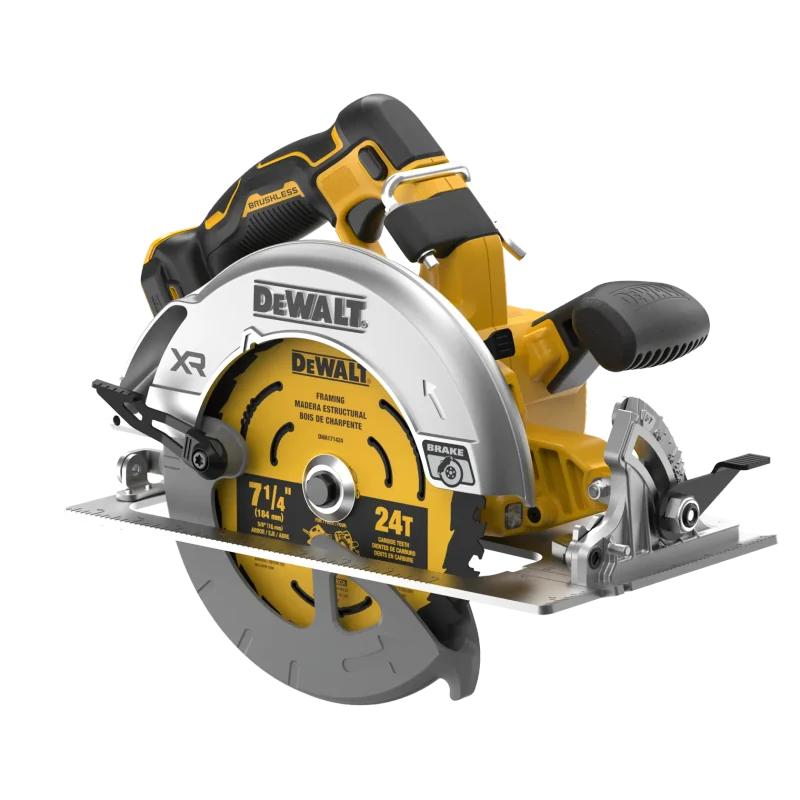
A newer model with a measurable requirement
DEWALT DCS590B circular saw, tool only
20V MAX brushless 7-1/4-inch saw; maximum cutting depth 2-9/16 inches at 90 degrees. Battery and charger separate.
- Why choose it
- Use its stated cutting depths and features to identify a benefit before assigning value to the upgrade.
- The tradeoff
- A higher model number is not enough reason to pay more. Include any battery purchase required for your workload.
Product details checked against the linked manufacturer and retailer pages. These are research-based comparisons, not hands-on tests. Check the selected model, current price, availability, and return terms before buying.
Identify what actually changed
A new generation may improve size, weight, electronics, power, vibration, safety features, or controls. It may also be a modest refresh. Compare exact model numbers and manufacturer specifications, then look for credible testing that measures the tasks you care about.
Do not assume newer is always better or that an older model is equivalent. The value depends on whether the changed features affect your work.
Check platform and support continuity
Confirm current battery compatibility, charger support, replacement parts, manuals, warranty eligibility, and service options. Clearance can signal a normal model transition, but it can also leave fewer replacement parts or accessories over time.
Demand a meaningful price gap
Compare the clearance price with the frequent street price of the new generation, not just its launch price. If promotions make the newer kit only slightly more expensive, the longer support horizon and improved features may be worth the difference. An older tool becomes compelling when the savings are durable after batteries and accessories are included.
Match the tool to duty, not novelty
For occasional work, a proven prior model may exceed every practical requirement. For daily professional use, a lighter body, better dust control, lower vibration, or improved protection may justify the current generation. Buy the least expensive complete setup that safely meets the expected duty cycle.
Create a change log between exact models
Make rows for size, weight, rated capability, controls, safety features, vibration or noise information, included components, battery compatibility, warranty, and service support. Fill the rows from manufacturer documentation for both exact model numbers. Mark each difference as important, useful but optional, or irrelevant to your work.
Then compare the older clearance price with the newer model's normal current street price. A launch MSRP can exaggerate the gap. Include batteries, chargers, blades, cases, or accessories needed to make both options equally ready for the job.
| Question | Older model passes when |
|---|---|
| Does it complete the work? | Required capability is documented |
| Will existing equipment fit? | Compatibility is explicitly confirmed |
| Can it be supported? | Parts, manuals, and service remain available |
| Is the discount real? | Gap remains meaningful against current street price |
| Are new features worth it? | Important improvements do not outweigh savings |
Inspect clearance-specific risks
Confirm that the item is new if that is what you expect, not a display, return, or incomplete package. Check manufacture or battery date information when relevant, because a sealed older kit can still contain a battery that has spent substantial time in storage. Verify the return window and warranty start rules.
Clearance inventory can be hard to exchange. Inspect the package and test the tool promptly under the manufacturer instructions. Keep proof of purchase and model information, especially when the retailer listing may disappear after stock sells through.