

Products to compare
The same drill, with or without the starter kit
The DEWALT DCD800B and DCD800D2 make a useful comparison because both center on the DCD800 drill. The decision is whether the batteries, charger, and bag earn the difference in delivered price.
Already have enough compatible DEWALT 20V MAX batteries and a charger? Choose the DCD800B when it costs less. Starting from zero? Choose the DCD800D2 when its premium is below the cost of the batteries and charger you would otherwise buy. If a promotion makes the complete kit cheaper, the kit wins even before valuing the extras.
These links lead to product listings or manufacturer buying options. PriceChomp earns no commission from them. How our links work.
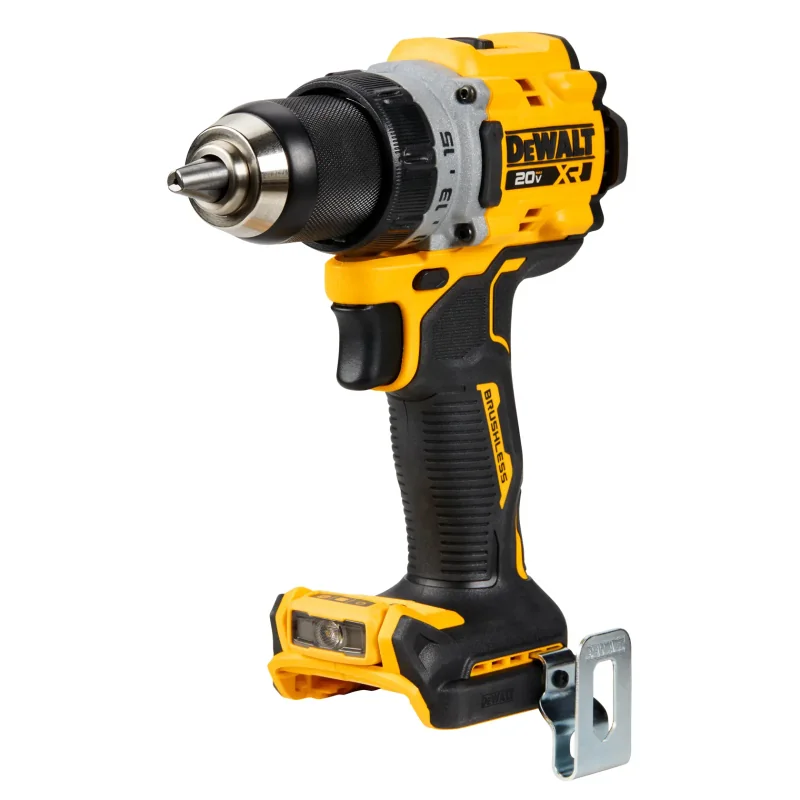
For an existing DEWALT battery collection
DEWALT DCD800B drill/driver, tool only
Brushless DCD800 drill/driver with a 1/2-inch chuck and belt hook. Battery and charger sold separately.
- Why choose it
- You get the drill without paying for another charger or duplicate battery capacity. This is the clean comparison for someone who already has the compatible equipment needed to start work.
- The tradeoff
- It is not ready to use on its own. Add a compatible battery and charger to the cart before comparing it with a kit if this is your first tool in the platform.
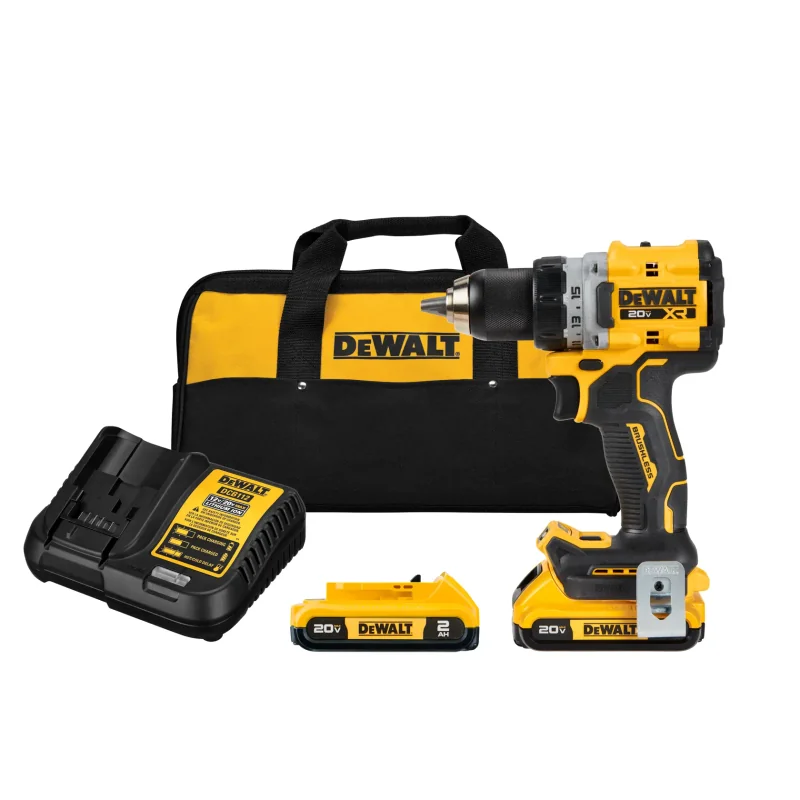
For a first drill in the platform
DEWALT DCD800D2 drill/driver kit
DCD800 drill, two 20V MAX 2Ah batteries, charger, and storage bag.
- Why choose it
- The included batteries and charger fill actual gaps for a new owner. Compare the kit premium with what you would pay for those useful components, rather than the bundle's claimed retail value.
- The tradeoff
- Two compact 2Ah packs do not automatically cover every future tool or long work session. If you need larger packs immediately, price that complete setup before buying this kit.
Product details checked against the linked manufacturer and retailer pages. These are research-based comparisons, not hands-on tests. Check the selected model, current price, availability, and return terms before buying.
Price every component separately
A kit is valuable only when its components are useful to you. List the exact tool, battery model and capacity, charger, case, and any bonus item. Then compare current standalone prices for those exact components. Avoid giving full retail credit to accessories you would not otherwise buy.
Battery capacity affects runtime, weight, and sometimes tool performance. Two kits with the same tool can have very different value if one includes a compact battery and the other includes a higher-capacity pack.
Account for the platform you already own
If you already have compatible batteries and chargers, a bare tool can be the cleanest purchase. Another charger may have little value, and batteries that sit unused still age. If you are entering a platform, a well-priced starter kit can avoid a second purchase and establish a useful battery base.
Check the full model code and voltage family. Similar branding does not guarantee compatibility, and some manufacturers maintain several battery systems at once.
- Confirm battery family and voltage.
- Check amp-hour capacity and battery count.
- Identify whether the charger is standard or rapid.
- Verify warranty terms for every component.
Value promotions conservatively
Free-tool and free-battery promotions can be excellent, but evaluate the final receipt rather than the headline. Some offers allocate discounts across each line item, which can affect the refund value if part of the bundle is returned. Other offers require all items to be returned together.
Compare the promotion with the best legitimate price for the exact tool you need. A bundle is not a bargain if it pushes you toward a platform or accessory that adds future cost.
Choose the lower total system cost
For a first purchase, favor a kit with batteries sized for the work you actually do. For an established platform, calculate the marginal value of every included component. The winning option is the one that meets the job requirement with the least unnecessary equipment, not necessarily the one with the largest claimed bundle value.
Build a component-value worksheet
Create one row for the tool, each battery, the charger, case, and every accessory. Record the exact part number, useful quantity, current credible standalone price, and the amount you would willingly pay for it today. Use the lower of the last two numbers as a conservative component value. A battery advertised at $149 is not worth $149 to you if you already own enough compatible capacity.
Add the conservative values, then compare them with the delivered kit price. This shows whether the kit discount comes from components you need or from inflated credit for duplicates. Repeat the exercise for a bare-tool cart that includes anything required to work immediately.
| Component | Need it now? | Credible price | Value to you |
|---|---|---|---|
| Exact tool | Yes or no | Current exact match | Amount you would pay |
| Battery and capacity | Useful or duplicate | Current exact pack | Discount for duplication |
| Charger | First or extra | Current exact charger | Often low if duplicated |
| Case and accessories | Required or optional | Comparable replacement | Only if genuinely useful |