

Products to compare
Compare sleeping space and the load you will carry
A two-person backpacking tent and a four-person camping tent solve different space problems. Lay out your actual sleeping pads against the floor dimensions.
Choose the Half Dome if two people and their pads fit and carrying size matters. Choose Base Camp 4 for more room at a drive-up campsite when its larger packed load is acceptable.
These links lead to product listings or manufacturer buying options. PriceChomp earns no commission from them. How our links work.
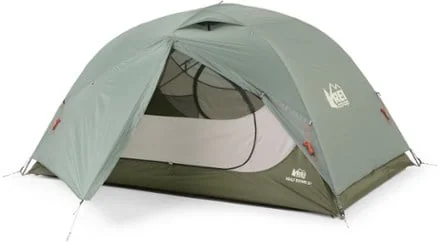
For two people with a measured pad layout
REI Co-op Half Dome 2 Plus with footprint
Two-person, three-season tent; 92 x 56-inch floor and 42-inch peak height. REI item 243700.
- Why choose it
- The 92 x 56-inch floor and included footprint provide a clear starting point for a complete shelter comparison.
- The tradeoff
- Its 42-inch peak is seated space. Check packed weight and any membership requirement before comparing the delivered total.
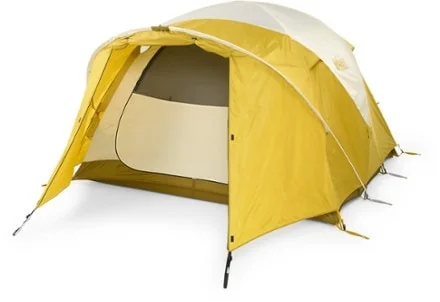
For more campsite living room
REI Co-op Base Camp 4
Four-person, three-season tent; 100 x 86-inch floor and 63-inch peak height. Footprint separate. REI item 227740.
- Why choose it
- The 100 x 86-inch floor and 63-inch peak offer more usable room for a car-camping setup.
- The tradeoff
- Packaged weight is over 17 pounds and the footprint is separate. Four-person capacity does not promise roomy accommodation for four wide pads.
Product details checked against the linked manufacturer and retailer pages. These are research-based comparisons, not hands-on tests. Check the selected model, current price, availability, and return terms before buying.
Draw the sleeping layout
Tent capacity labels usually describe how many people can fit, not how much room they will have for gear, pets, or movement. Write down the dimensions of the sleeping pads or mattresses you will use and arrange them inside the published floor dimensions. Account for tapered walls and irregular floor shapes.
For car camping, many groups choose extra nominal capacity for comfort. Backpackers often accept a closer fit to save weight and packed volume. Neither approach is automatically correct. The tradeoff should follow how far you carry the shelter, how much time you spend inside, and how crowded conditions affect sleep.
Separate floor area from livable volume
Peak height is measured at one point. Wall shape determines whether that height is useful across the tent. Near-vertical walls create more shoulder room and make changing clothes easier, while low sloping designs can reduce weight and wind exposure. Look at floor dimensions, peak height, pole structure, and wall angles together.
Vestibules create covered storage outside the sleeping area. Compare vestibule area, door placement, and whether one person can exit without climbing over another. Two doors can be worth more than a small increase in floor area when two adults share the tent.
| Use | Prioritize | Acceptable tradeoff |
|---|---|---|
| Drive-up campground | Comfort, standing height, easy doors | More weight and packed volume |
| Walk-in or short carry | Moderate packed size and simple setup | Less interior furniture space |
| Backpacking | Weight, storm-worthiness, packed volume | Closer quarters |
| Warm humid conditions | Mesh, venting, shaded airflow | Less solid-fabric coverage |
Understand what weather claims do and do not say
Season labels are broad categories. Inspect the rainfly coverage, floor construction, seam treatment, pole structure, guy-out points, ventilation, and manufacturer use guidance. A partial fly may be pleasant in mild weather but provide less coverage during wind-driven rain. A full fly can improve protection but requires thoughtful venting to manage condensation.
Waterproof material ratings are only part of the system. Stitching, seams, zippers, floor wear, setup tension, site drainage, and contact between the fly and inner tent all affect performance. Follow the care instructions and determine whether seam sealing is completed at the factory or expected from the owner.
Practice setup before the trip
Freestanding tents can often be moved after pitching, while non-freestanding or partially freestanding designs rely more on stakes and tension. Color-coded poles and clips can help, but the real test is whether the intended users can pitch the tent in wind, fading light, or rain without losing parts.
Check the required footprint size, not just the sleeping floor. Vestibules, guy lines, and stake angles need room. A large family tent may not fit every established campsite pad. Practice once at home, count poles and stakes, and learn the fastest order for attaching the fly.
Check packed size, materials, and repair path
Packed weight may exclude optional accessories, while minimum weight may omit stakes, stuff sacks, or other components you need. Compare the complete carried setup. For car camping, verify that the packed length fits the vehicle and storage area. For backpacking, divide shared components realistically among the group.
Inspect pole material, fabric denier, zipper design, included stakes, repair sleeves, and availability of replacement poles or fly components. Lighter materials can perform well but may demand more careful site selection and handling. A slightly heavier shelter with available parts may offer better long-term value for frequent family use.
Buy for the difficult common trip
Do not optimize for a rare expedition if most trips are summer campgrounds, but do plan for the ordinary bad night: sustained rain, a windy arrival, muddy ground, or everyone confined inside for an hour. The tent should remain manageable under conditions you reasonably expect.
Compare the complete shelter, including footprint if needed, appropriate stakes, repair supplies, and the sleeping layout. A sale is worthwhile only when the tent fits the people, the site, the weather range, and the way it will be transported.