

Products to compare
Use live used listings as references, not resale promises
A used R50 body and an RF 50mm lens offer two places to observe asking prices, condition, and included accessories. Asking prices are not completed sale evidence.
Buy the equipment you will use at a defensible present price. Before estimating future recovery, compare completed sales or an actual dealer quote and deduct fees, shipping, and any repairs.
These links lead to product listings or manufacturer buying options. PriceChomp earns no commission from them. How our links work.
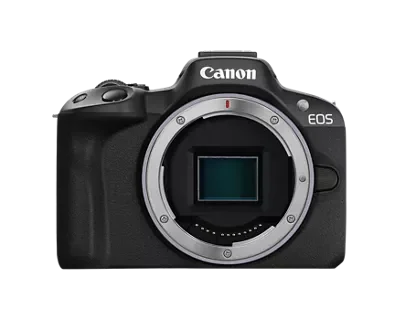
A body-price reference
Used Canon EOS R50 at MPB
R50 body listings with individual condition reports, photographs, and included-item lists.
- Why choose it
- Compare several condition levels to see how seller asking prices vary with the individual camera and supplied equipment.
- The tradeoff
- Dealer retail prices include services and margin. They are not what a dealer will pay you or what you will net later.
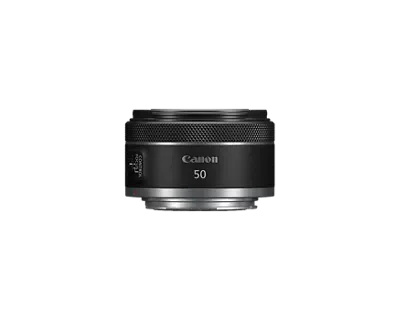
A lens-price reference
Used Canon RF 50mm f/1.8 STM
RF-mount 50mm prime. MPB lists the condition and accessories for each used copy.
- Why choose it
- A specific RF 50mm listing helps keep mount and version consistent when researching the used lens market.
- The tradeoff
- A lens can lose value too. Do not assume a fixed retention percentage or buy it only because you expect future demand.
Product details checked against the linked manufacturer and retailer pages. These are research-based comparisons, not hands-on tests. Check the selected model, current price, availability, and return terms before buying.
Use sold evidence, not optimistic listings
An asking price shows what a seller hopes to receive. It does not show whether the item sold, how long it waited, what accessories were included, or what fees came out afterward. Compare recent completed transactions or live trade-in quotes for the exact model and condition.
Separate private-sale value, marketplace proceeds, and retailer trade-in value. A direct sale may return more money but requires photographs, messages, payment handling, packing, shipping, and dispute risk. A trade-in quote pays for convenience and certainty. Neither number is the universal value of the gear.
Expect bodies and lenses to age differently
Camera bodies contain sensors, processors, displays, batteries, ports, and autofocus systems that improve across generations. A new release can move used-body prices quickly, especially when the older model remains common. Lenses can have longer useful lives when their mount remains healthy and the optics still meet current needs.
That does not mean every lens is safe. Mount transitions, a much lighter replacement, focus-motor limitations, scarce repair parts, optical defects, and changing video expectations can reduce demand. I look at the current system and buyer pool instead of repeating the idea that glass always holds value.
| Factor | Why it changes the exit price |
|---|---|
| Model cycle | A replacement can reset comparable prices |
| Mount demand | A larger active system supports more buyers |
| Condition | Optical and functional defects narrow the market |
| Proof and accessories | Receipts, caps, hood, charger and box reduce uncertainty |
| Selling route | Fees, shipping, trade-in spread and time differ |
Preserve evidence, not just packaging
Keep the receipt, serial record, warranty documents, caps, hood, charger, cables, and detachable parts. The box can help with shipping and buyer confidence, but proof that the item is legitimate, complete, and accurately described is more important than perfect cardboard.
Use protective caps, sensible storage, and cleaning methods approved for the equipment. Do not attempt a risky cosmetic repair to make normal wear disappear. Honest photographs and a specific description make a used item easier to evaluate than vague “mint” language.
Turn future value into a range
I estimate a conservative private-sale net, a convenient trade-in value, and a low case if the model is replaced or condition declines. Then I subtract the likely selling fees, insured shipping, packing, and accessories I must replace for the next owner. The result is a range, not a promise.
Buy the camera because it solves the photographic need at an acceptable ownership cost. If the purchase makes sense only when a future stranger pays today’s optimistic asking price, it does not yet make sense. Future value should soften a good decision, not rescue a weak one.