

Products to compare
Put two real drill packages into the worksheet
Use these listings as the two carts in the worksheet below. Keep tax, shipping, condition, and seller terms consistent.
Subtract the DCD800B delivered total from the DCD800D2 delivered total. Buy the kit only if that difference is worth the two 2Ah batteries, charger, and bag to you, or if the kit is cheaper outright.
These links lead to product listings or manufacturer buying options. PriceChomp earns no commission from them. How our links work.
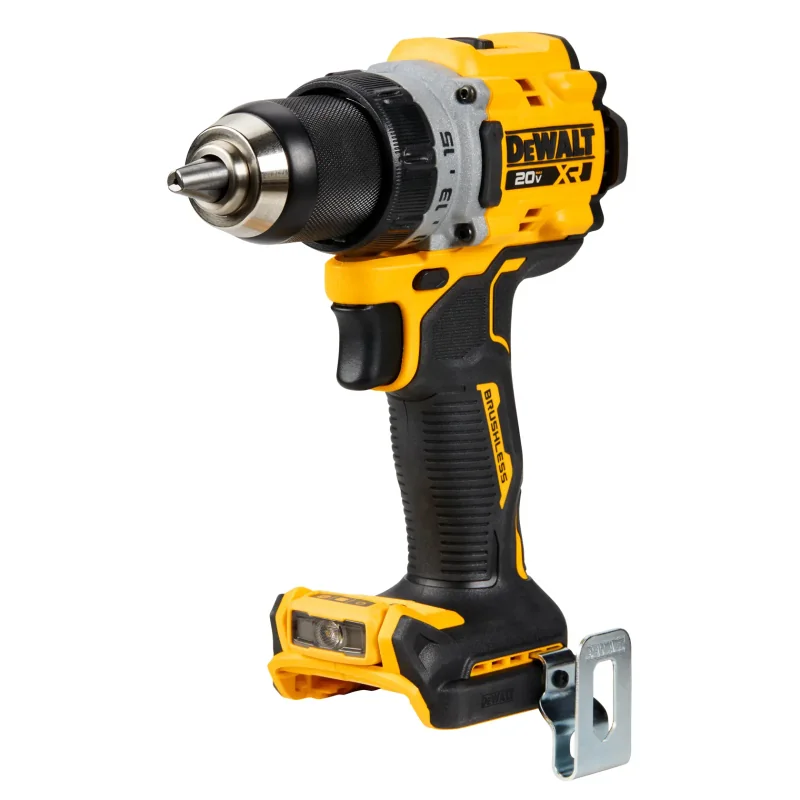
Cart A: existing platform owner
DEWALT DCD800B drill/driver, tool only
Brushless DCD800 drill/driver with a 1/2-inch chuck and belt hook. Battery and charger sold separately.
- Why choose it
- Enter the bare-tool total, then add only the power equipment you still need.
- The tradeoff
- A zero battery cost is valid only when you already own enough compatible capacity for the job.

Cart B: building a starter setup
DEWALT DCD800D2 drill/driver kit
DCD800 drill, two 20V MAX 2Ah batteries, charger, and storage bag.
- Why choose it
- Enter the complete-kit total and credit the included equipment only where it replaces a purchase you would make.
- The tradeoff
- A bag and duplicate charger should not receive an invented cash value just to make the kit win.
Product details checked against the linked manufacturer and retailer pages. These are research-based comparisons, not hands-on tests. Check the selected model, current price, availability, and return terms before buying.
Build two complete carts
For the bare-tool option, add any battery, charger, case, blade, bit, or accessory required to do the job. For the kit, remove the value of anything you will not use. Compare delivered totals after applying only promotions available to you.
This prevents a common mistake: comparing a ready-to-work kit with a bare tool that cannot operate on its own.
Use marginal value, not list price
A third charger is not worth its shelf price to someone who already owns two. A battery may be highly valuable if it fills a real runtime gap, or nearly worthless if it duplicates capacity that sits unused. Assign each component the amount you would willingly pay for it today.
Include platform consequences
The first battery purchase can influence later tool choices. Look at the prices and availability of tools you may realistically add, not the full platform catalog. Also check whether the battery family is current and whether adapters or voltage labels create compatibility limits.
Make the choice visible
Write four lines for each option: delivered cost, immediately useful components, duplicate components, and likely next purchase. Choose the option with the lower cost for the useful system. If the totals are close, warranty, return flexibility, weight, and the convenience of a second battery can break the tie.
Work through a two-cart example
Suppose the bare tool costs $99. You need a compatible battery priced at $79 and a charger priced at $39, so the ready-to-work cart is $217 before tax. A $179 kit with the same tool, useful battery, and charger is the better immediate value even if none of its components is discounted dramatically.
Now suppose you already own three suitable batteries and two chargers. The $179 kit may contain only $99 of value to you, while the bare tool is ready to work immediately. The correct answer changes with the equipment already in your home, which is why generic bundle-value claims are incomplete.